Rising Costs and the Hidden Price of Offshoring: Why Nearshoring Is Reshaping Contract Manufacturing
The Old Logic of Offshoring Is No Longer Enough
Synermont contract manufacturing hungary
For years, the dominant advice in manufacturing was simple: offshore to save costs.
In traditional manufacturing outsourcing models, long-distance offshoring was seen as the most effective way to reduce unit prices. However, today’s global environment no longer supports long, remote, and inflexible supply chains.
The equation has fundamentally changed.
The Hidden Costs Behind Offshoring
While offshoring may still appear attractive on paper, many companies are now experiencing its hidden costs in real operations.
Rising:
-
Transportation fees
-
Energy prices
-
Production costs in Asia
are steadily eroding the cost advantages that once made offshore contract manufacturing the default option.
At the same time, companies face longer lead times, reduced transparency, and limited control over quality — all of which add indirect costs that are often underestimated.
Why Manufacturing Outsourcing Is Moving Closer to Home
What we are witnessing today is a clear shift back toward local and nearshoring-based manufacturing outsourcing.
European companies are reassessing offshoring decisions as they realize that:
-
Long lead times reduce flexibility
-
High shipping costs increase risk
-
Quality control becomes more complex across distant supply chains
As a result, nearshoring has emerged as a more balanced and resilient contract manufacturing strategy.
Nearshoring in Central Europe: Control Without Excessive Costs
At Synermont, we work with clients who are actively exploring nearshoring manufacturing outsourcing in Central Europe.
For many of them, nearshoring provides a practical alternative to offshoring by offering:
-
More predictable manufacturing costs
-
Shorter and more reliable timelines
-
Consistently high quality standards
-
Closer collaboration and faster communication
All while remaining competitive from a total cost perspective.
Manufacturing Outsourcing Within the EU
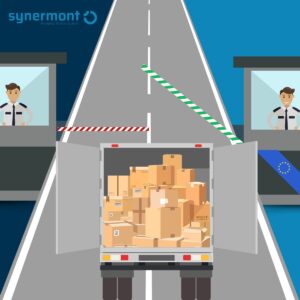
An additional advantage of nearshoring within Europe is the free-of-duty EU environment.
Contract manufacturing and manufacturing outsourcing within the EU eliminate customs barriers, reduce administrative complexity, and simplify logistics — further strengthening the business case for nearshoring compared to offshore production.
Total Value Over Short-Term Savings
Nearshoring is not only about immediate cost savings.
When companies evaluate manufacturing outsourcing decisions based on total value rather than unit price alone, nearshoring often delivers superior long-term results:
-
Lower logistics and shipping costs
-
Better operational control
-
Faster time to market
-
Reduced supply chain risk
These factors explain why so many European companies are rebalancing their contract manufacturing strategies toward nearshoring.
A Strategic Shift in Contract Manufacturing
The new global order favors shorter, more resilient supply chains.
In this context, nearshoring-based contract manufacturing and manufacturing outsourcing offer a strategic response to rising costs, uncertainty, and operational complexity — without sacrificing competitiveness.
If you are reassessing offshoring decisions and evaluating contract manufacturing or manufacturing outsourcing alternatives, nearshoring in Central Europe can provide a more predictable, flexible, and value-driven solution.
Learn more about our contract manufacturing services

